


Exploring the World with Worldschooling
Digital nomadism has experienced a boom in recent times, transforming the profile of the digital nomad and attracting more families to a mobile lifestyle. What does this mean for children's education? Fortunately, in the current era, there are alternative educational methods adapted to this way of life, one of which is Worldschooling.
What is Worldschooling?
Worldschooling is based on turning the world into a school. It's an educational approach where children learn through experiential learning, exploring new places, cultures, and languages, as well as through interactions with family, nature, and friends. This method considers the journey itself to be the curriculum, and the experiences to be the lessons.
Worldschooling, Unschooling and Homeschooling
Worldschooling is often associated with other terms such as unschooling and homeschooling. Unschooling advocates for learning without a fixed curriculum, encouraging a child's curiosity so they learn naturally. On the other hand, homeschooling involves education at home, where parents or guardians determine the schedule and content of the lessons.
Benefits of Worldschooling
The benefits of Worldschooling are diverse:
1. Practical learning through lived experiences.
2. Less screen time and more time outdoors.
3. Stress reduction by eliminating the pressure of school schedules.
4. Stimulating the child's curiosity by following their interests.
5. Exposure to different cultures and languages, broadening the child's mind.
Tips for Implementing Worldschooling
1. Some tips for implementing Worldschooling effectively include:
2. Establish the type of Worldschooling that will be carried out.
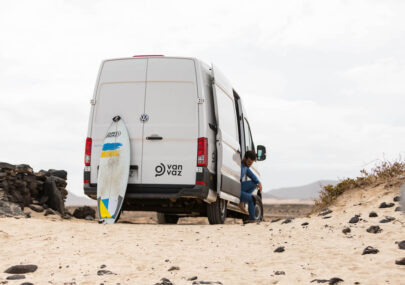
3. Choose the right means of transport, such as a motorhome or camper van.
4. Involve the child in daily tasks to foster responsibility.
5. Create a travel journal to record experiences and learning.
6. Spark the child's interest before visiting new places.
7. Follow the child's curiosity and adapt the experiences accordingly.
8. Be a partner in adventure and learning rather than a teacher.
10. Be inspired by other families who practice Worldschooling.
11. Try this form of education for a while before fully committing.
Preparations for Worldschooling
To implement Worldschooling, it is important to be prepared:
1. Having enough savings to dedicate time to the education of children.
2. Keep the necessary travel documents up to date.
3. Purchase adequate travel insurance to cover potential medical emergencies.
Now that you have a better understanding of what Worldschooling involves, are you ready to experience it with your family? It's an exciting opportunity to explore the world while learning about it.